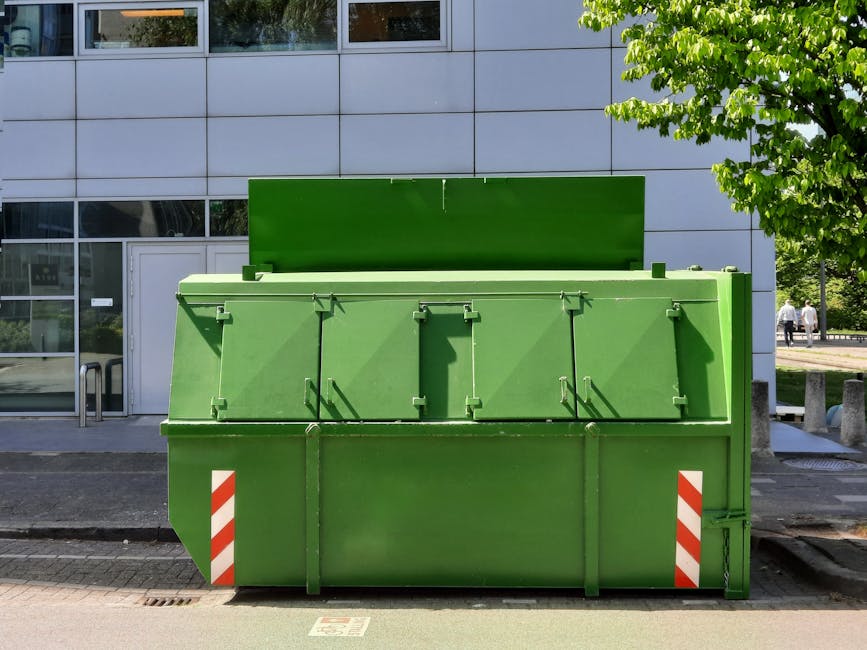
Osterley skip hire real cost guide TW7
If you are trying to work out the real cost of skip hire in Osterley, you are probably doing the same thing most people do: comparing prices, second-guessing hidden extras, and wondering whether a skip is actually the best value for the job. Fair enough. Waste removal looks simple until you start pricing up skip sizes, permits, access issues, and the difference between a quick domestic clear-out and a heavier builder's load.
This Osterley skip hire real cost guide TW7 breaks the whole thing down in plain English. You will see what drives the price up or down, how local jobs are usually priced, what to check before booking, and how to avoid the common money traps that catch people out. If you want to compare options first, it also helps to look at skip sizes and prices alongside the fuller skip hire service details, because the cheapest-looking quote is not always the cheapest job in reality.
Let's face it, nobody wants to pay twice because a skip was too small, parked badly, or loaded with the wrong type of waste. So we will keep this practical, local, and focused on the decisions that genuinely affect your final bill.
Table of Contents
- Why Osterley skip hire real cost guide TW7 Matters
- How Osterley skip hire real cost guide TW7 Works
- Key Benefits and Practical Advantages
- Who This Is For and When It Makes Sense
- Step-by-Step Guidance
- Expert Tips for Better Results
- Common Mistakes to Avoid
- Tools, Resources and Recommendations
- Law, Compliance, Standards, or Best Practice
- Options, Methods, or Comparison Table
- Case Study or Real-World Example
- Practical Checklist
- Conclusion
- Frequently Asked Questions
Why Osterley skip hire real cost guide TW7 Matters
The real cost of skip hire is not just the headline price on a quote. It is the total you end up paying once the practical bits are added in: skip size, hire length, waste type, road access, permit needs, and whether the collection is straightforward or a bit of a faff. That matters a lot in Osterley and the TW7 area, where homes, flats, side streets, and tighter driveways can change the economics of a job quite quickly.
People often start with one question: "How much is a skip?" But the better question is: "What will this job actually cost once everything is included?" That shift in thinking saves money. It also saves time, because you can compare like with like instead of comparing one operator's base price against another operator's all-in price.
There is also the local angle. If your skip needs to sit on a public road, a permit may be required. If you are clearing a small kitchen, a garden, or a garage, you may not need a huge container at all. If the access is narrow or the load is awkward, the price can shift again. In short: the real cost guide matters because it helps you avoid the classic "I thought it would be cheaper than that" moment.
Expert summary: The true cost of skip hire in Osterley is usually determined more by the job conditions than by the skip itself. Size, access, waste type, and permit requirements are the big four. Get those right first and the rest becomes much easier.
How Osterley skip hire real cost guide TW7 Works
Skip hire pricing is usually built around a few core pieces of information. Once you know these, the quote starts to make sense instead of feeling random. Most providers will ask what you are throwing away, how much of it there is, where the skip will go, and how long you need it for. That is the basic shape of it.
1. The type of waste
Mixed waste, heavy rubble, soil, green waste, wood, metal, and household junk all behave differently in a skip quote. Heavy waste can increase cost because it fills the weight allowance faster. Mixed loads can be fine, but they sometimes need more sorting and may not be priced as cheaply as a cleaner, single-material load.
If you are unsure what counts as acceptable waste, it is worth checking what can go in a skip. That one page can save a lot of back-and-forth later, especially if you have odd bits like bathroom fittings, plasterboard, old furniture, or renovation debris.
2. The skip size
Most cost comparisons start with size because it is the easiest thing to see. But bigger does not automatically mean better. A skip that is too small may require a second hire, which is the classic false economy. A skip that is too large may leave you paying for empty space you never needed.
A quick garage clear-out is very different from a full kitchen rip-out or builder's waste job. That is why a proper size check is worth doing before you commit.
3. The delivery location
Placing a skip on private land such as a driveway is usually simpler than putting it on the road. If it has to go on the street, a permit may be needed. That can add to the overall cost and, in some cases, to the lead time as well. If access is awkward, you may also find that a provider suggests an alternative such as wait and load skip hire, where the waste is loaded quickly rather than leaving a container onsite.
4. Hire length and service type
Most people only need a skip for a short period, but the length of hire still matters. Same-day or rushed arrangements may be priced differently from standard bookings. Likewise, some jobs are better suited to man and van removal or rubbish removal rather than a skip, especially if you are dealing with a smaller volume or a tight turnaround.
5. Permit and compliance factors
If a permit is needed, that is part of the real cost. The same goes for restrictions on hazardous items, overfilling, or leaving the skip in a position that blocks access. These are not just admin details. They can affect the price, the timing, and whether your booking runs smoothly at all.
Key Benefits and Practical Advantages
Skip hire is popular for a reason. When it is matched properly to the job, it is one of the most convenient ways to deal with bulky or messy waste. And in real life, convenience has value. You can clear steadily through a project without making repeated trips to the tip, stuffing a car boot, or leaving rubble piled in the hallway for days on end.
- Simple budgeting: Once you understand the likely add-ons, it becomes much easier to plan your total spend.
- Less disruption: One container on site is often easier than several small waste runs.
- Better timing control: You can clear waste as the job progresses instead of letting it build up.
- Useful for mixed projects: Renovations, garden clearances, loft clear-outs, and light construction work all fit well.
- Can be more efficient than alternatives: For larger amounts of waste, a skip can beat multiple van trips on time alone.
The practical advantage is not only about disposal. It is also about keeping the job moving. A driveway with debris everywhere slows people down. A tidy site is calmer, safer, and usually cheaper to work on in the long run. You notice that quickly once you are actually in the middle of a project.
For commercial or repeat-use jobs, the same logic applies on a bigger scale. Businesses often look at commercial skip hire when they need a dependable waste plan rather than ad hoc collections. For trades and refurb work, builders skip hire or builders waste removal may be a better fit depending on access and volume.
Who This Is For and When It Makes Sense
This guide is useful for pretty much anyone in Osterley or TW7 who is trying to make a sensible call about waste removal. But there are some clear situations where skip hire makes especially good sense.
- Homeowners doing a clear-out: Loft clutter, shed rubbish, broken furniture, and old DIY bits can pile up fast.
- People renovating a room: Bathrooms, kitchens, and flooring jobs often create more waste than expected.
- Landlords and letting agents: End-of-tenancy clearances, bulky leftovers, and quick turnaround jobs are common.
- Garden projects: Soil, hedge cuttings, branches, and old fencing can fill bags very quickly.
- Builders and trades: Bricks, rubble, timber, and mixed construction waste are classic skip loads.
- Offices and businesses: Refits, furniture changes, and archive clear-outs often need planned disposal, sometimes alongside office clearance.
If your waste is small and loose, another method may suit you better. If it is heavy, bulky, or comes out in stages, a skip is often the smoother option. Truth be told, the best choice is rarely the one that sounds most impressive. It is the one that fits the job.
A quick example: a couple clearing a garage in Osterley might only need a modest skip, while a bathroom renovation in a terraced property may need more thought because access is tight and waste output is heavier than it looks on paper. Same postcode, different reality. That is why local costing has to be practical, not theoretical.
Step-by-Step Guidance
If you want the real cost rather than a rough guess, follow this process. It keeps the decision grounded and avoids the "book first, think later" trap. Happens more than people admit.
- List the waste clearly. Separate heavy waste, green waste, household items, and anything unusual like appliances or fixtures.
- Estimate volume honestly. Stand back and look at the pile. If it feels borderline, it probably is.
- Check access. Measure gate widths, note low branches, and think about where the lorry can actually stop.
- Decide where the skip will sit. Private land is usually easier; roadside placement may need a permit.
- Compare skip size against the job. Use the provider's size guidance rather than guessing from memory.
- Check for restricted materials. Hazardous items need specialist handling, not a standard skip.
- Look at the full cost. Include delivery, collection, permit needs, and any extra charges for overfilling or special waste.
- Book only when the plan is clear. The cleanest booking is the one with the fewest surprises.
If you want to go a step further, compare the likely cost of a skip with grab hire services or grab lorry hire. These can be useful where access is awkward or where the waste is piled in one place and needs lifting out quickly. Not every job needs a skip sitting there for days. Sometimes it really doesn't.
Expert Tips for Better Results
A good quote is not only about the number on the page. It is also about making the job easier to manage from start to finish. The little details matter here.
- Choose the smallest size that comfortably fits the waste. A half-full bigger skip is one of the easiest ways to overspend.
- Keep heavy and light waste separate if possible. That can help with loading efficiency and may make planning more accurate.
- Break items down before collection. Flat-pack furniture, cut timber, and compacted cardboard all save space.
- Don't overfill above the rim. Overloaded skips can create safety issues and may be refused on collection.
- Plan for timing. If your project runs late, ask about flexibility before booking, not after.
- Use the right service for the right job. For small, fast clearances, same day skip hire or wait and load skip hire can sometimes be more efficient than a standard drop-and-collect setup.
One practical tip many people miss: if you are clearing a house, garage, or loft, try doing the "keep, donate, dump" sort before the skip arrives. That alone can shave off a surprising amount of volume. And yes, it feels a bit tedious at the time, but future-you will be grateful.
It is also sensible to ask how the provider handles recycling. A company with clear recycling and sustainability practices is usually taking a more considered approach to sorting waste after collection.
Common Mistakes to Avoid
The most expensive skip hire mistakes are usually not dramatic. They are small planning errors that snowball into extra cost or extra hassle.
- Guessing the size: People often underestimate by a lot. Waste takes up more room than it looks like it should.
- Ignoring permit needs: If the skip is on a public road, failing to plan for permission can delay the job.
- Mixing in banned items: Hazardous or restricted materials can trigger refusals or extra charges.
- Booking too early with no plan: If the waste pile is still growing and no one has measured it, the booking may be off.
- Choosing by headline price alone: The cheapest quote may exclude permit, weight, or collection conditions.
- Not checking access: A narrow driveway or awkward turning space can make delivery more complicated than expected.
Another common one: assuming all waste is "just waste." It is not. A mattress, a fridge, a pile of soil, and a load of office paper are very different from a disposal point of view. If you have items that need extra care, check specialist pages such as fridge and appliance removal, mattress and sofa disposal, or hazardous waste disposal before you book.
Tools, Resources and Recommendations
You do not need a complicated toolkit to get this right. A tape measure, a phone camera, and a bit of common sense will do most of the heavy lifting. Still, a few resources on the site are especially helpful when you are trying to work out real costs.
- Skip sizes and prices for comparing container options.
- Pricing and quotes when you want a clearer estimate before booking.
- Skip hire permits for understanding roadside placement basics.
- Skip permits for permit-related questions and planning.
- What can go in a skip to avoid rejected items and wasted money.
- Domestic skip hire for household projects.
- Construction waste disposal if your load includes rubble, offcuts, and renovation debris.
For jobs with mixed or awkward waste, it can also be worth comparing construction waste clearance and site clearance to see whether a collection-led approach suits the project better than a static skip. Sometimes the right choice is the one that saves the second visit, not the first pound.
If you want a bit of service reassurance before booking, the company's about us page is useful for getting a feel for how they work, while insurance and safety and health and safety policy can help confirm the basics of responsible operation.
Law, Compliance, Standards, or Best Practice
Skip hire involves waste handling, so compliance matters. You do not need to be an expert in waste law to use a skip, but you should understand the basics. In the UK, you are responsible for making sure waste is disposed of properly. That includes not putting prohibited materials into a standard skip and not leaving a skip in a place that causes avoidable obstruction or risk.
For roadside placement, permit requirements can apply depending on location and circumstances. The details are local and may vary, so it is best to check the booking process carefully rather than assume. If you are unsure, ask before the skip arrives. Much easier than sorting it out later, and far less annoying too.
Best practice also means loading safely. Heavy items should go in first, waste should sit level, and the container should not be stacked dangerously high. These are not just good habits; they help reduce collection problems and keep the site safer for everyone around it.
Where hazardous materials are concerned, do not improvise. Items such as asbestos, chemicals, solvents, gas bottles, and other restricted waste need specialist handling. If you think something may be hazardous, treat that uncertainty seriously and speak to the provider rather than guessing.
For business customers, record-keeping and responsible disposal matter even more. If you are managing office waste, confidential material, or ongoing commercial waste streams, it may be sensible to explore confidential shredding or commercial skip hire depending on the material involved.
Options, Methods, or Comparison Table
Not every waste job needs the same solution. The right choice depends on volume, access, urgency, and the type of material. Here is a simple comparison to help you think it through.
| Option | Best for | Pros | Watch-outs |
|---|---|---|---|
| Standard skip hire | Medium to large mixed waste loads | Good for ongoing projects; easy to load as you go | May need a permit; size choice matters |
| Wait and load | Tight access or quick clearances | No skip left onsite; useful in restricted streets | Requires the waste to be ready immediately |
| Grab hire | Large piles of loose waste | Fast removal; can reach over obstacles | Needs space for the vehicle and clear access |
| Man and van | Smaller or awkward clearances | Flexible; useful for bagged or loose items | Less ideal for very heavy or high-volume waste |
| Rubbish removal | Ad hoc disposal jobs | Convenient for one-off clear-outs | Can be less economical for ongoing projects |
To be fair, the cheapest option on paper is not always the best one for your actual job. If the waste is sitting in a pile and you need it gone fast, grab lorry hire may make more sense than waiting around for a container. If you are clearing a driveway at the weekend, a skip might still be the simplest route.
Case Study or Real-World Example
Imagine a typical Osterley household clearing out a loft after years of storage. You start with old boxes, a broken desk, some children's toys, and a few bulky bits that have been sat there since the pre-smartphone era. At first glance it looks small. Then the bags come out, and the pile somehow doubles. Classic.
In that kind of job, a small-to-medium skip often works well if there is space on the driveway. The real cost is not only the container. It is also whether you need a permit, whether the waste can be loaded in one weekend, and whether any bulky items need special handling. If the household had instead chosen multiple car trips or a van hire arrangement, the overall price might have been similar once time, fuel, and hassle were counted.
Now switch to a light renovation project. A bathroom strip-out creates awkward waste: old tiles, broken fittings, bits of timber, maybe some mixed rubble. In that case, the cost can rise faster because heavy material takes up less space than you expect but still carries weight implications. That is where accurate sizing and honest waste description matter most.
The practical lesson? Real cost is about the whole picture. Not just the quote.
Practical Checklist
Use this before you book. It keeps the decision clean and usually saves a bit of money too.
- Have I listed all waste types clearly?
- Do I know whether the load is mostly heavy, light, or mixed?
- Have I checked access for delivery and collection?
- Will the skip sit on private land or on the road?
- Have I checked whether a permit may be needed?
- Have I compared skip size options properly?
- Do I know what items are not allowed?
- Would wait and load or grab hire suit the job better?
- Have I checked the booking, collection, and overfill terms?
- Have I allowed enough time for the waste to actually be ready?
If you can tick most of those off, you are in a much better position to get a fair and accurate price. And honestly, that is half the battle.
Conclusion
The Osterley skip hire real cost guide TW7 comes down to one simple truth: the cheapest headline price is rarely the full story. The real cost depends on what you are throwing away, how much of it there is, where the skip will go, and whether any extra steps such as permits or special handling are needed. Once you understand those moving parts, the whole thing becomes far less mysterious.
For many homes and businesses in Osterley, skip hire is still one of the easiest and most cost-effective ways to manage waste. The key is matching the service to the job rather than guessing. Check the size, check the access, check the waste type, and compare the total cost rather than the base price alone. Small effort upfront, much less pain later. That is usually how the best jobs go.
Get a free quote today and see how much you can save.
And if you are still weighing things up, that is perfectly normal. A careful decision now tends to feel a lot better when the driveway is clear and the pile has finally gone.
Frequently Asked Questions
How much does skip hire usually cost in Osterley TW7?
The cost depends on skip size, waste type, access, hire length, and whether a permit is needed. The safest approach is to compare the total price rather than the headline rate.
What is the biggest factor that changes skip hire price?
Skip size is the biggest starting point, but heavy waste and permit requirements can change the final cost just as much. A small, heavy load can be pricier than a larger light load.
Do I need a permit for a skip in Osterley?
If the skip is placed on a public road, a permit may be required. If it sits entirely on private land such as a driveway, a permit is usually less likely to be needed.
What if I do not know what skip size I need?
Describe the waste honestly and ask for size guidance. If you are on the fence, it is usually better to discuss the job rather than guess and risk a second hire.
Can I put mixed household waste in a skip?
Usually yes, but the load must still follow the provider's rules. It helps to check what can go in a skip before you book, especially for larger or unusual items.
Is wait and load cheaper than standard skip hire?
Sometimes it can be, especially if access is tight or you do not want a skip left outside. It depends on how quickly the waste can be loaded and how much there is.
What happens if I overfill the skip?
Overfilling can create collection problems and may lead to extra charges or a refused pickup. Keep the load level and within the agreed height limit.
Are hazardous items allowed in a normal skip?
No, not usually. Hazardous items need specialist handling. If you are unsure about anything chemical, sharp, or unusual, treat it carefully and ask first.
Is a skip better than a man and van service?
It depends on the job. A skip suits ongoing or bulky clearances. A man and van service can work well for smaller, quicker jobs or awkward access.
How can I save money on skip hire without cutting corners?
Choose the right size, sort waste before booking, check access, and compare the full cost. Also consider whether grab hire or wait and load might fit the job more efficiently.
How soon can a skip be delivered in Osterley?
That depends on availability and the service level you choose. For urgent jobs, some customers look at same day skip hire, but planning ahead usually gives you better flexibility.
Where can I check the company's policies before booking?
It is sensible to look at pages such as terms and conditions, payment and security, and complaints procedure so you know what to expect before you confirm anything.